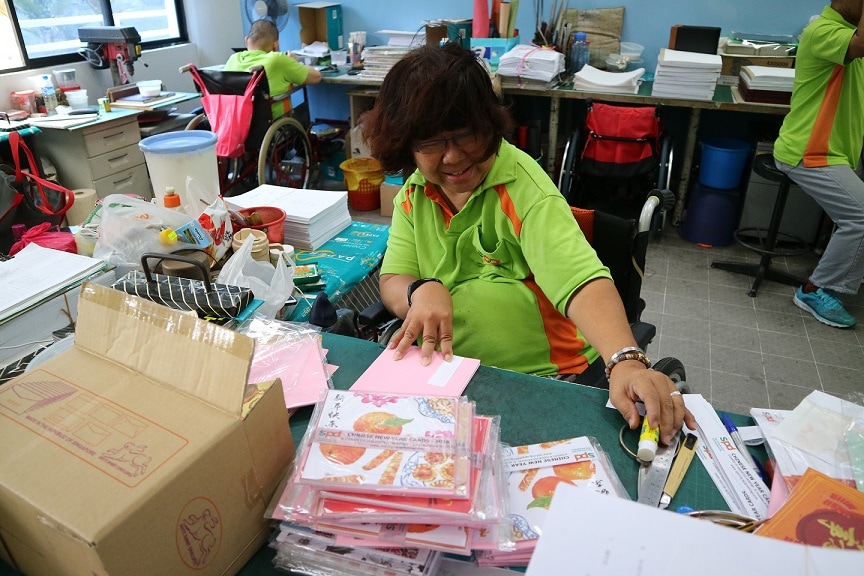
Sheltered employment is by far one of the most disputed method of employment when open employment is not an option for several reason for an individual to enter the labour market. The ILO has recommended in the past that “appropriate government support for the establishment of various types of sheltered employment for disabled persons for whom access to open employment is not practicable” (ILO Recommendation No. 168, para 11(b)). According to Samoy and Waterplas (1997) whilst conducting a survey about sheltered employment found that even the concept of sheltered employment does not have the same meaning for all people. According to the report by the States Parties to the Committee on the Rights of Persons with Disabilities (Committee on the Rights of Persons with Disabilities, n.d), many countries continue to operate some form of sheltered employment system. Most of these countries are OECD countries that set up sheltered workshops some years ago way before the policy shift to inclusion started to emerge. Low transition, lack of employment contracts and poor pay are some of the common criticisms of sheltered employment. Those who support the idea of sheltered workshops see their responsibility more in terms of care and social care rather than employment as an economic return.
Samoy, E. , & Waterplas, L. (1997). Sheltered employment in five member states of the Council of Europe: Austria, Finland, Norway, Sweden and Switzerland. Strasbourg: Council of Europe
 Tonio Axisa